This is a digital version of my Bachelor of Fine Arts thesis work, focusing on the ideas of how we interact with our world and questioning what we want the lands we live on to reflect about us.

Ladder to Corona and Bowtie Arches, Moab, Utah
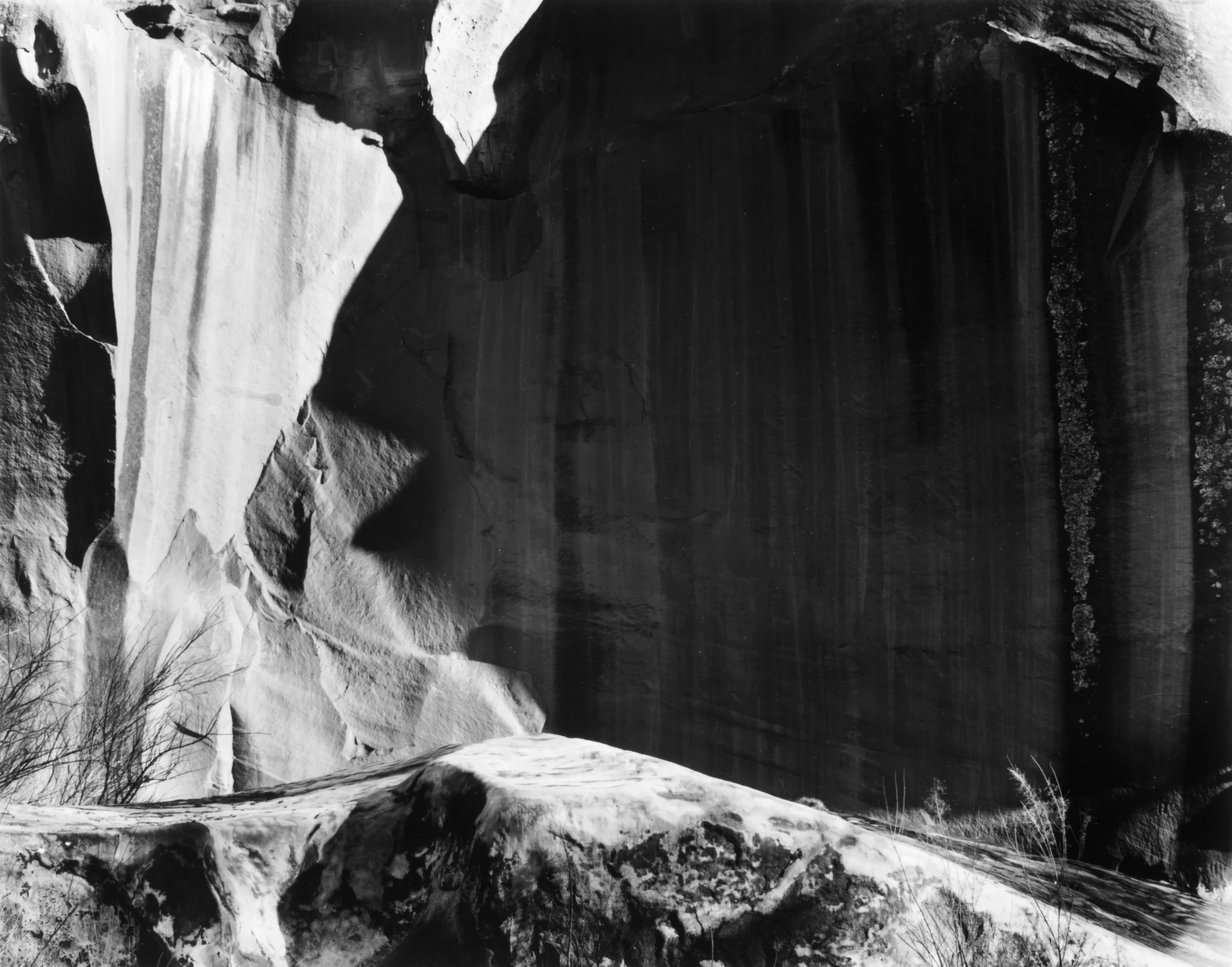
Cliff Wall Detail, Escalante, Utah
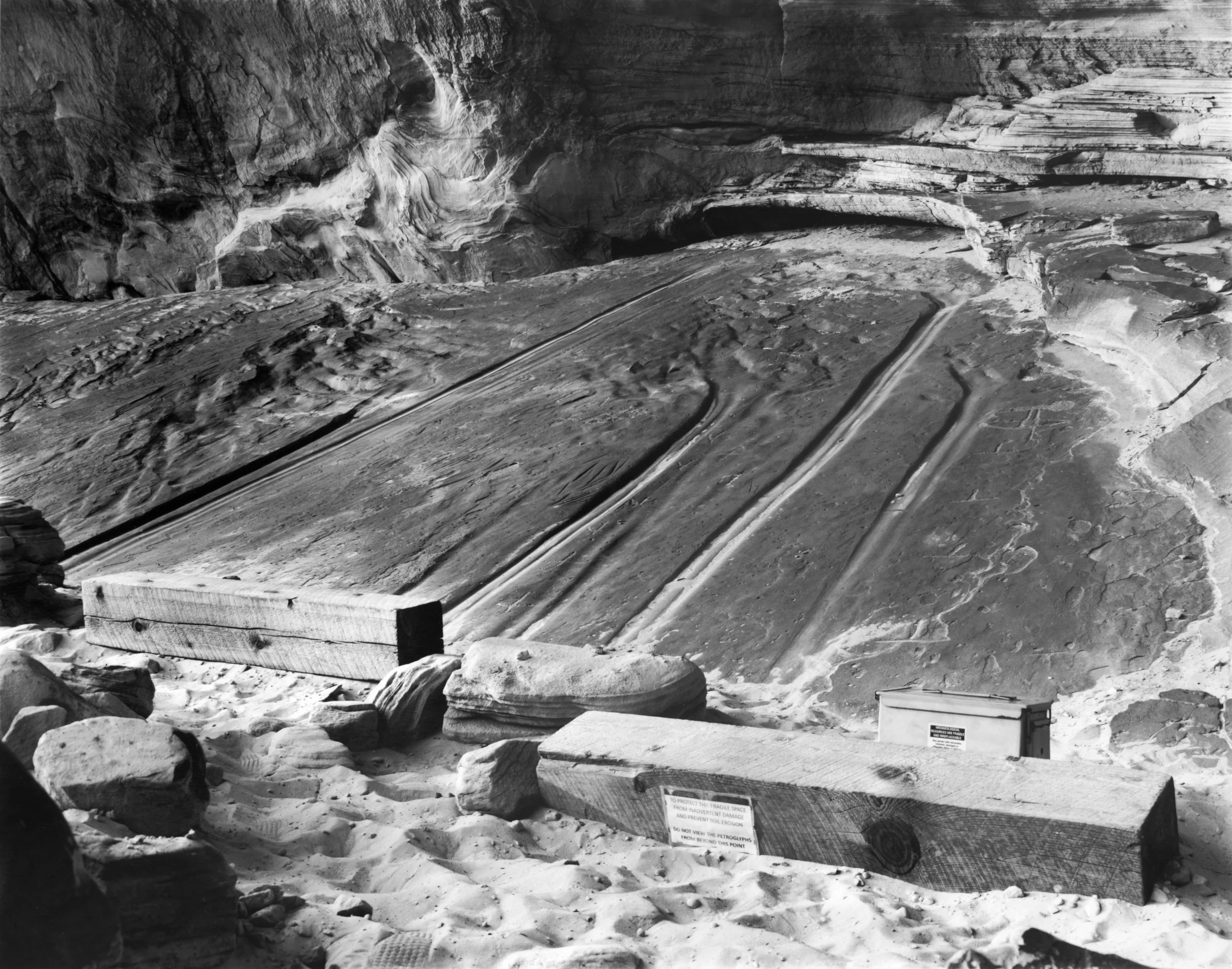
Mansard Petroglyphs, Kanab, Utah
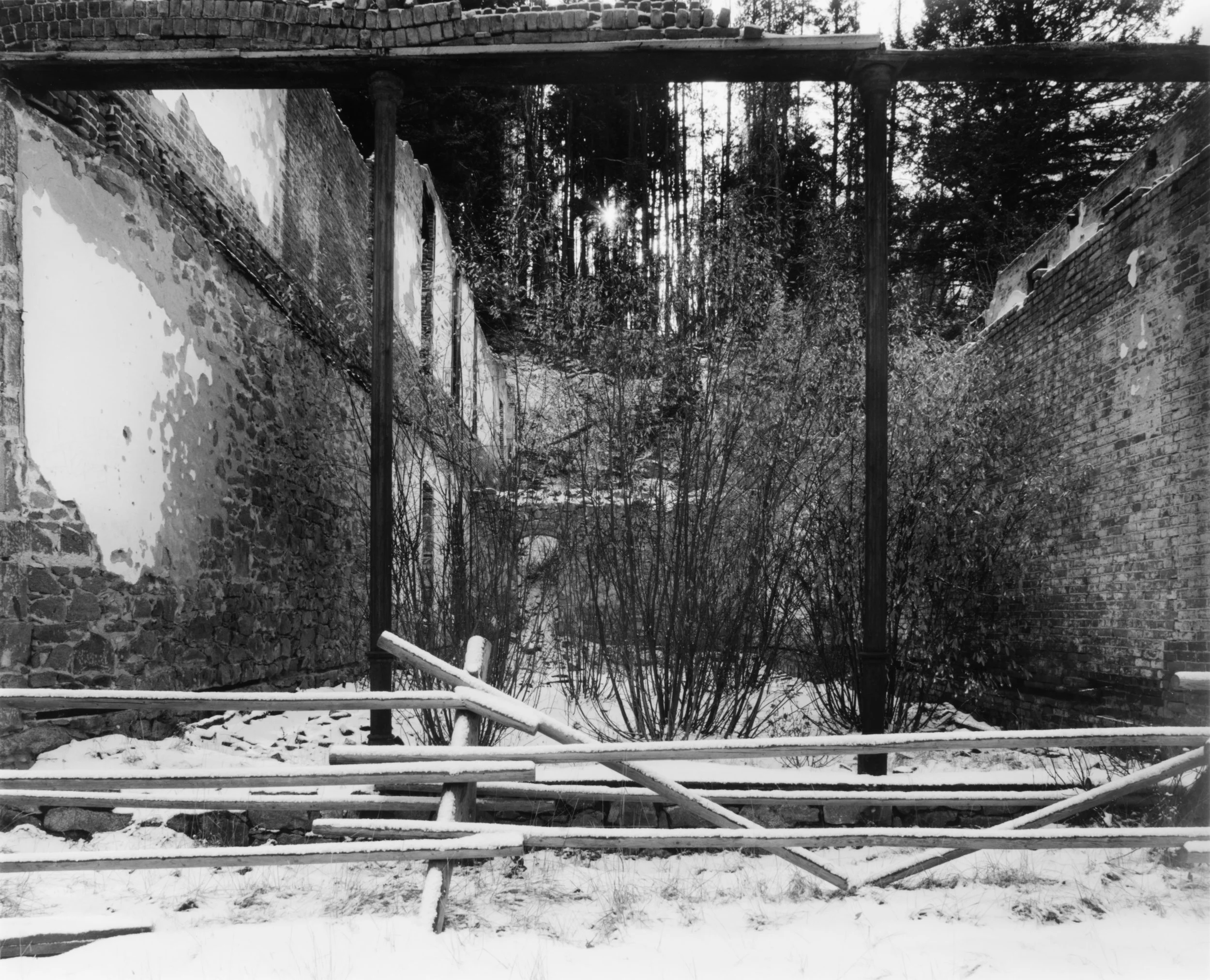
Old Union Hall, Granite, Montana
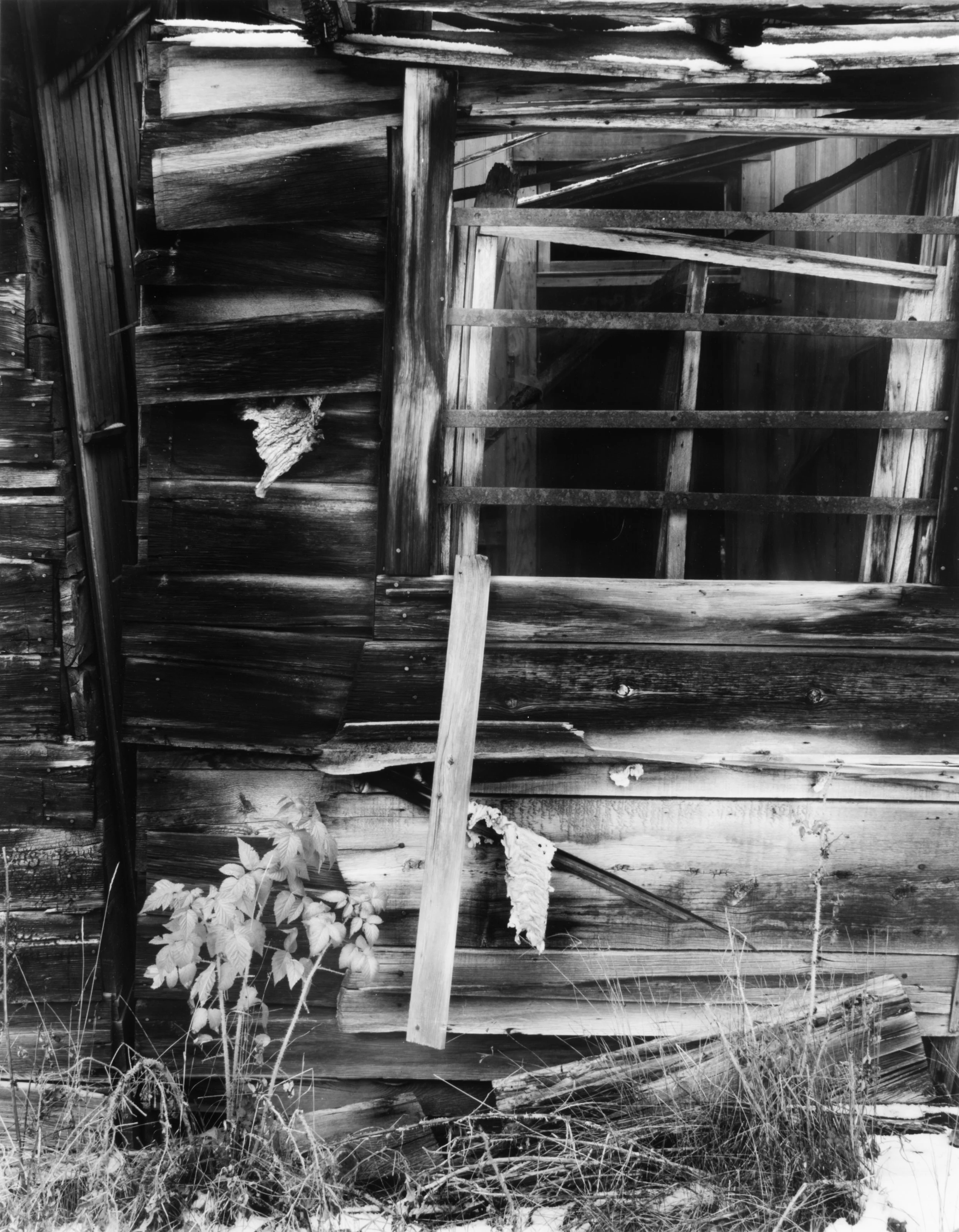
Abandoned Cabin, Granite, Montana
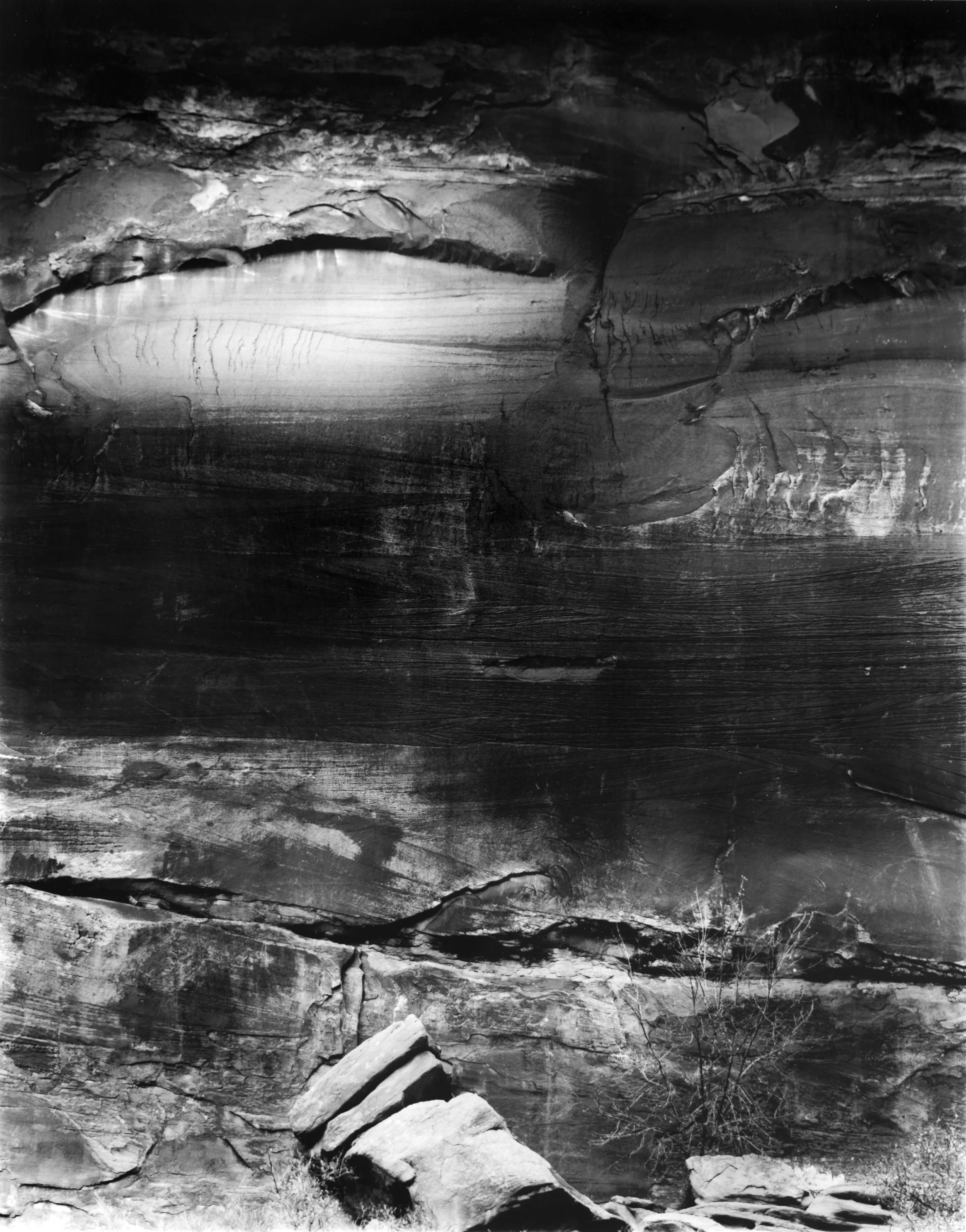
Cliff Wall, Hunter Canyon, Moab, Utah
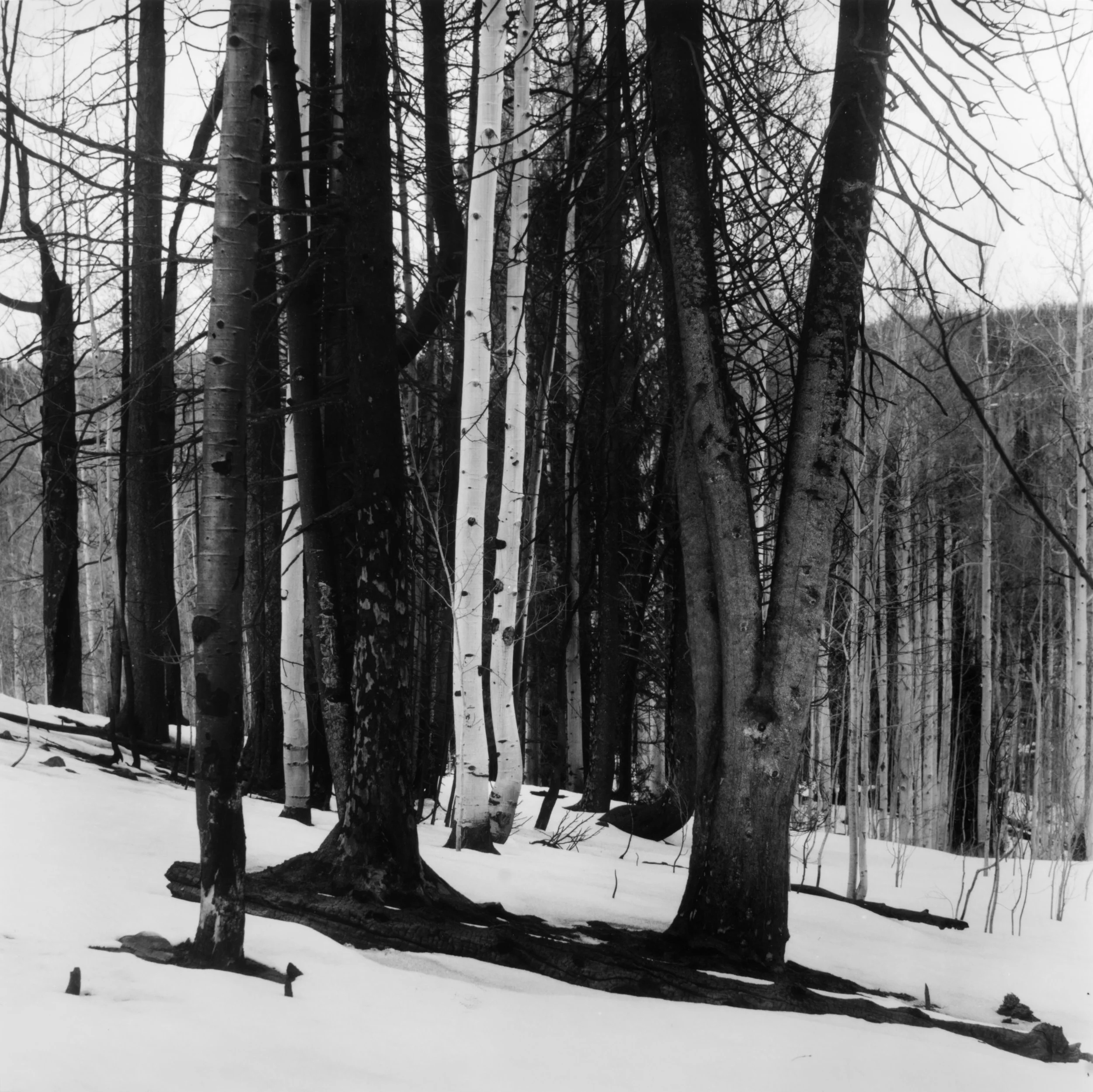
Yellow Lake Burn Scar, Wolf Creek Pass, Utah
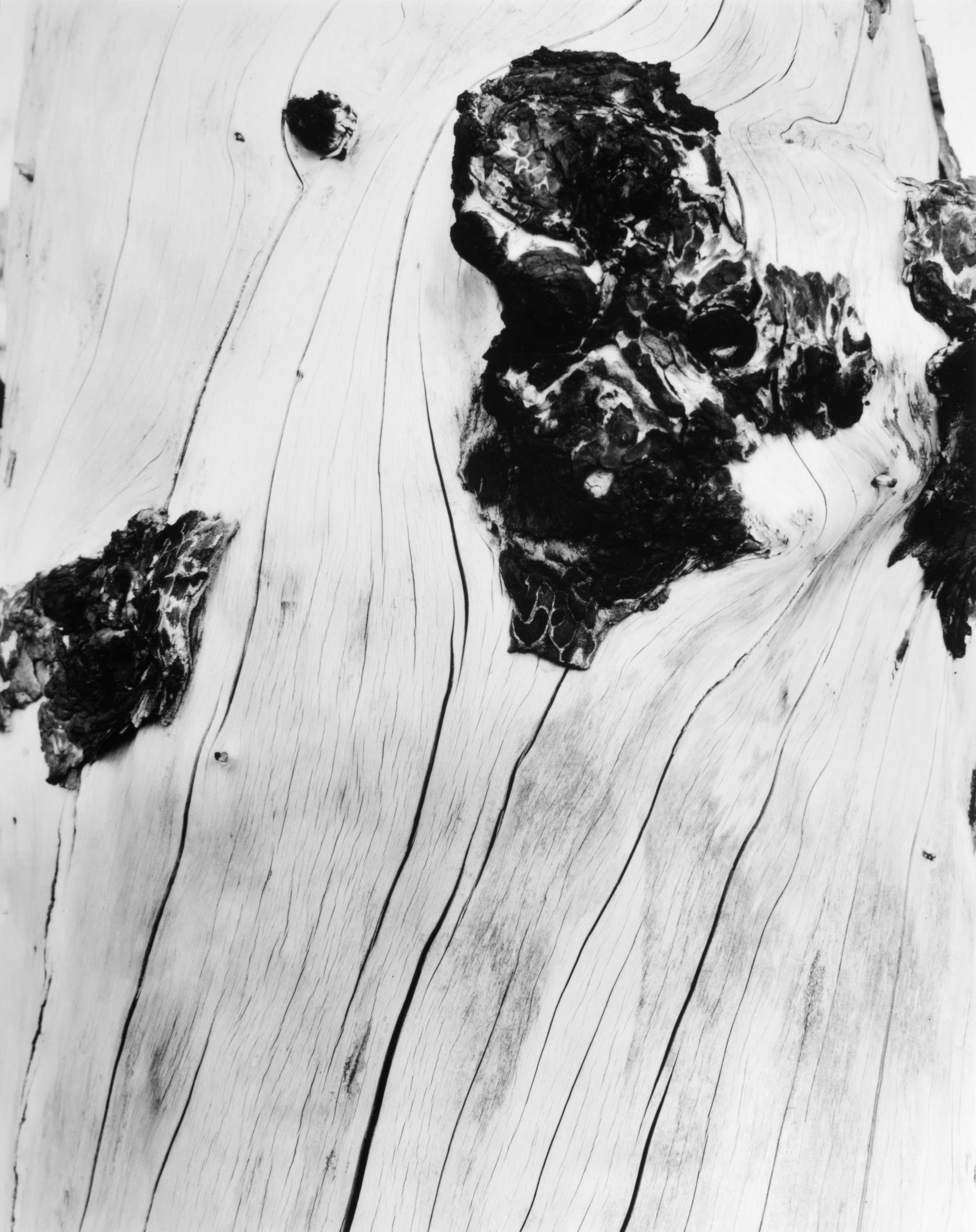
Burned Ponderosa, Bryce Canyon National Park, Utah
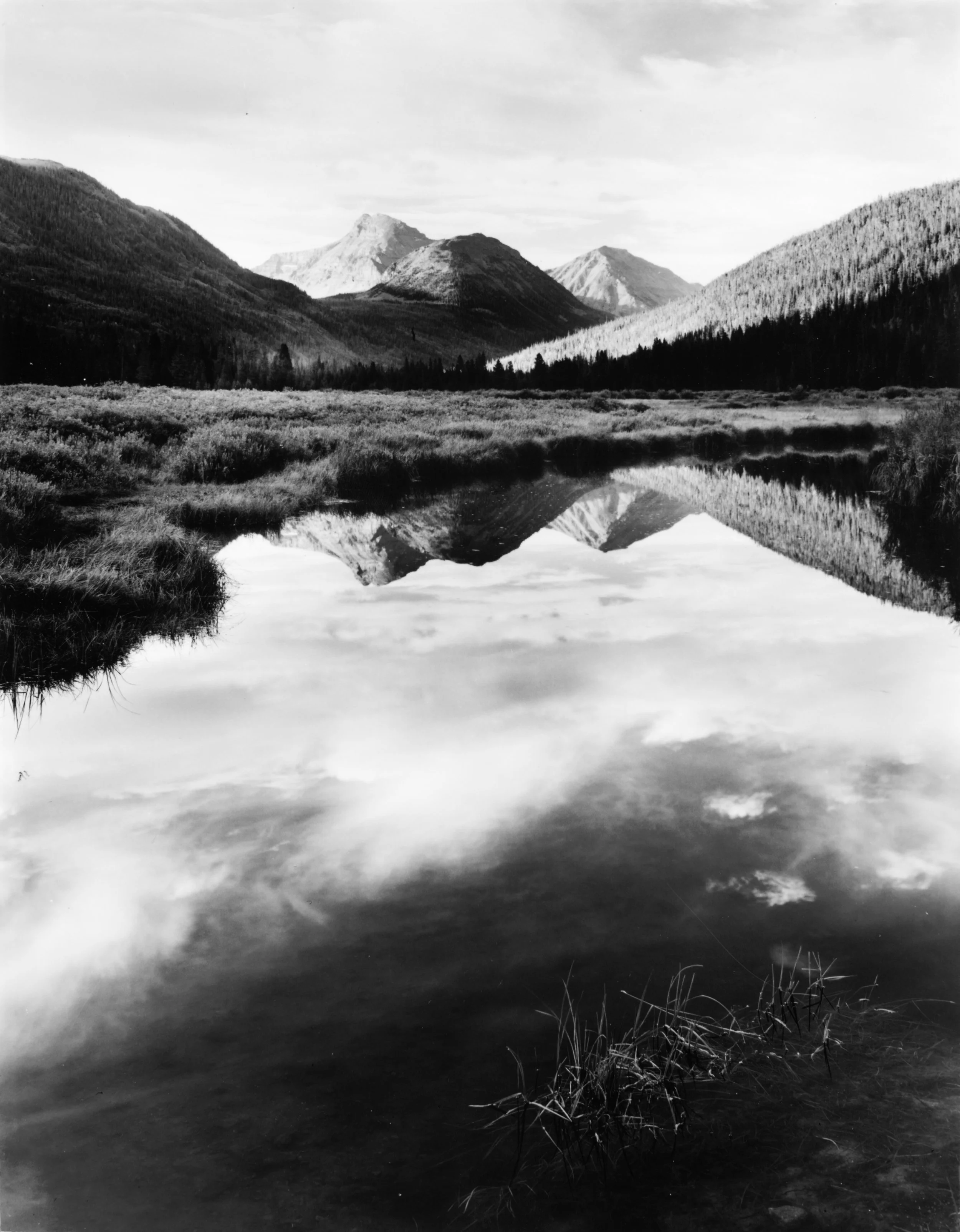
Sunrise, Christmas Meadows, Utah
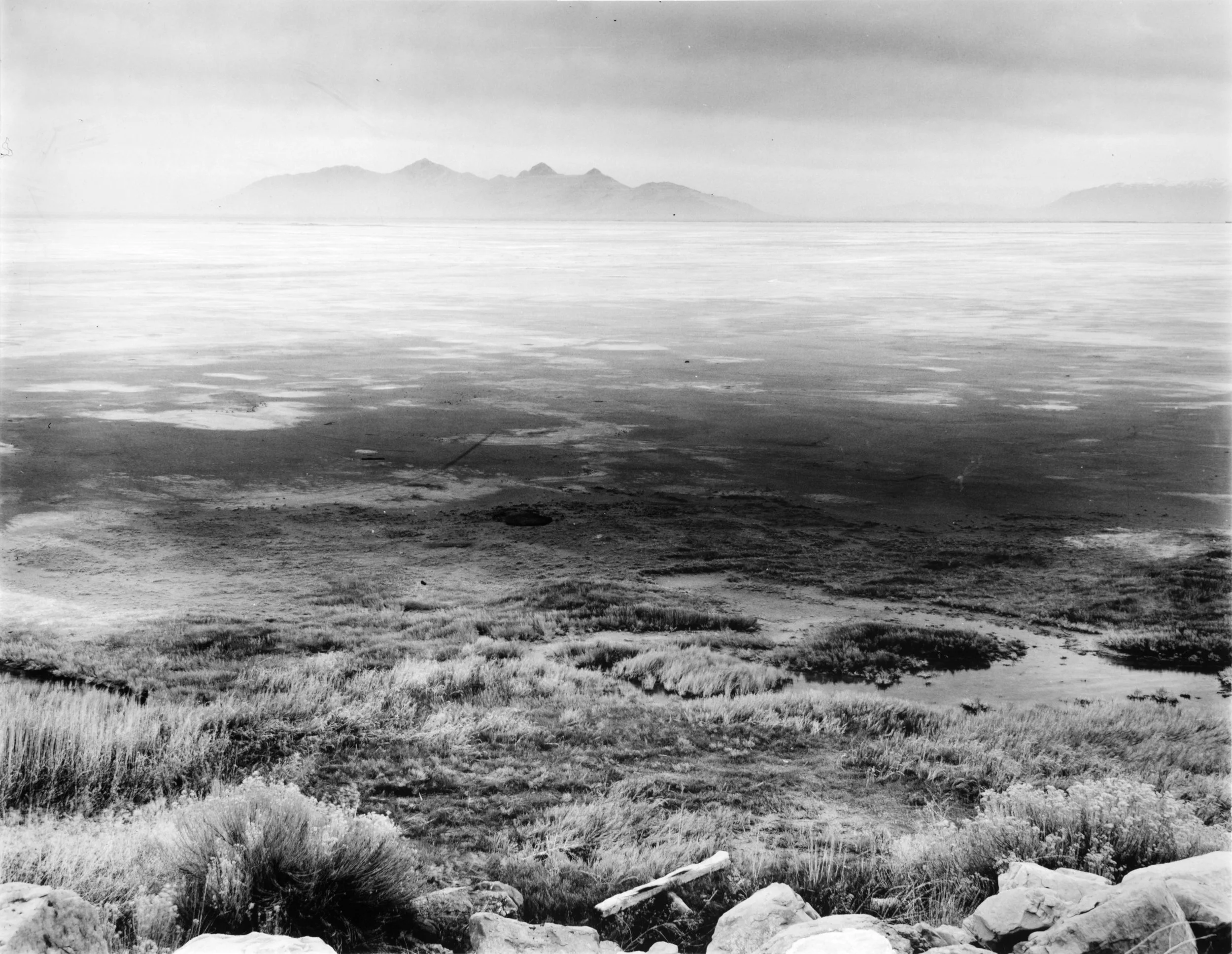
Dessicated Lake Bed, Great Salt Lake, Utah
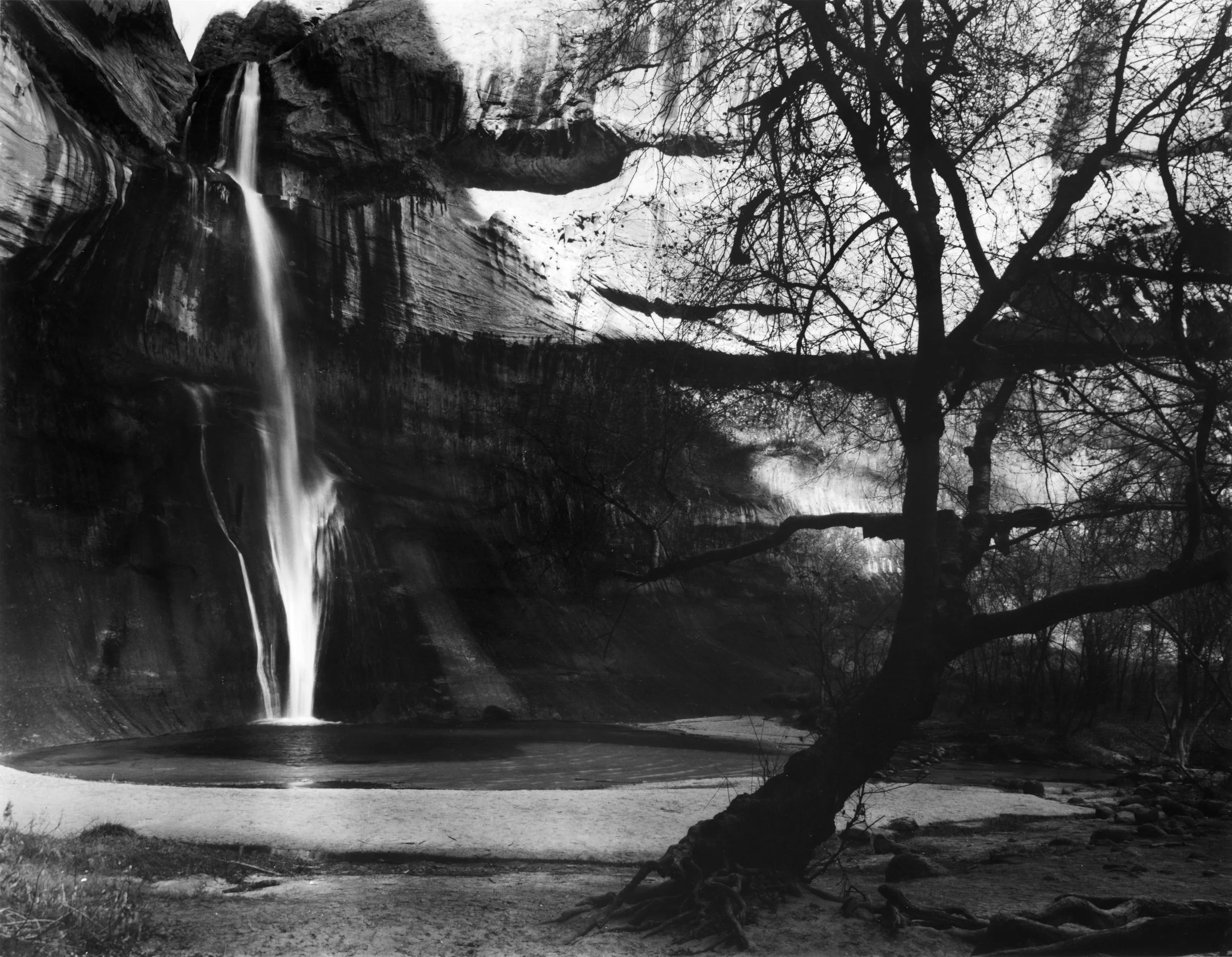
Lower Calf Creek Falls, Escalante, Utah
Homelands
The wildlands of the American West are the cultural bedrock of the region; my own time in the wilderness of the Uinta Mountains and Escalante Canyons of Utah has molded my actions and beliefs extensively. I grew up an hour from Salt Lake City, and I’ve always felt tied to it, but my work is about society and people reflected in nature. Here in the Western U.S., this connection to land is inescapable. Be it agriculture, mining or recreation, our culture reflects the lands around us, the commitment to keeping open spaces public ensures this undercurrent remains. The prints here speak to the humanity we find in the woods, the desert and everything extant in the wider world.
Photography’s ties to environmentalism run deep. Carleton Watkins’ photographs of Yosemite were influential in President Lincoln’s decision to preserve the area in 1864; the first time this had occurred in the United States, and Ansel Adams’ advocacy work similarly resulted in the 1940 designation of Kings Canyon National Park. Watkins’ and Adams’ photos are as powerful today as they were then; though the methods and exact causes have changed, the meanings still course through their photos of the West. This understanding inspires my own work, including my choice of silver gelatin prints as the medium through which our impacts on the land are discussed. This traditional photographic method lends itself to the quiet moments in my work rather well and has a timeless quality that speaks to the subject matters present here.
The places in my photos aren’t just coordinates on the map, they are spots that exemplify the need for protections from our own industrial acts. The attempts to remove protections from public lands including Grand Staircase-Escalante National Monument and roadless areas throughout the West are disheartening. In 2026, western states and the federal government are ignoring warnings about the degradation of our quality of life to glean untouched riches. Drilling, logging and prioritizing data centers isn’t just hurting the soul of our country, but also ensuring a more expensive present and future for everyone. We’re over allocating rivers and logging forests to fuel a system that is destroying the world beneath our feet. These losses are unnecessary, made in the name of economic engines like coal and oil that are dying under their own weight. If left alone, humanity will ravage the land until there is nothing to stand on, all for short term economics. I am making this work to prevent this degradation, for fear that mankind will instead be left with scars and epitaphs in place of the natural world.